If you wish to get genuine answers about your horoscope, you need to speak with Vishal ji. He is genuine, explains with a high level of clarity and will no simply tell you what you want to hear, but will tell you what he..
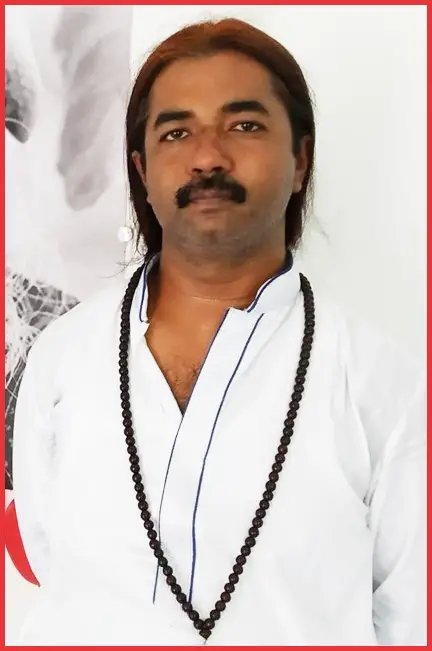
Vishal Saxena is a new generation astrologer who believe in combining logic and common sense in reading and analysing charts .
If one reads his analysis one would find it to be 100% personalized and educative . This gu..
Vishal Sir is a true Gem in astrology...
He gives honest(no sugar coating )practical consultation...
His mailed report seems like consulting him personally when you read it...
He has so comprehensive, detailed and sim..
I have been interested in astrology for almost decade and a half, have consulted few astrologers as well. Since i read a lot on the subject i happened to come across his page and got hooked. I then took 2 consultations f..
Vishal's analysis has been instrumental in my career growth. The way he explains the situation based on the planets and their combinations is very easy to comprehend. He is always available for any guidance or advise whi..
Recap
After having a reading with Vishal back in May he warned me of some health issue I may have and to just watch it.
Because of this I decided to get some test done and blow me if the Dr didn't confirm back to me..
I highly recommend Vishal for any consultation you seeking. True value for money and trust me you won't be disappointed. People read reviews and think possibly this might be written under any influence - close friends, f..
I picked Vishal S Saxena to do a Astrological reading for me because I felt a certain pull towards him and been a student of Astrology myself I know this is an important factor when considering a reading with Astrologer...
A True and real master of divine science of Astrology. I stumbled upon his work and didn't think twice before booking a consultation and it exceeded my expectations. It is the highest quality of consultation I have ever ..
I have consulted Vishal on various questions and issues in my life, and I have been immensely impressed with his honesty, expertise, perceptiveness, guidance, and professionalism. He is impressively knowledgeable and gi..
I had been looking for an experienced astrologer on the internet for a long time. And finally I found him in the face of Vishal.
The decision to receive consultations appeared after reading articles on his side. His ..
I discovered Vishal Saxena two years ago during the most challenging time in my life. I was struggling through losses in my career, in my relationship with others and in my own health. I spent months searching for answer..
Vishal Saxena is one of the best astrologers that I have come across throughout my astrological life. He's got a very good knowledge and insight into astrology. Also he's very updated on the subject and he knows what he'..
I was mentally perplexed until I heard Vishal's words. My chart is a typical case of Saturn dominance, not only most of all planets in Saturn's Nakshaktra, but Sade sati is at its peak. I was about to change my career pa..
I started following Mr Saxena's Facebook page on Astrology a while ago. I found it randomly and was quickly surprised about how much great knowledge he has on Astrology and I read his thorough articles on his website. I ..
I have consulted Vishal on a host of topics ranging from marriage to career and from property disputes to understanding of Mahadashas. He is one I have been privileged to meet in my life not only because of his knowledge..


Leave a Reply